Harrow Council rules for waste from cleaning jobs: a practical guide for cleaners, landlords and businesses
If you handle cleaning work in Harrow, the waste can be just as important as the cleaning itself. Dirty water, vacuum waste, cloths, packaging, old fixtures, and even the leftover sludge from a deep clean all need to be managed properly. Harrow Council rules for waste from cleaning jobs are there to reduce fly-tipping, protect drains, and keep waste moving through the right disposal route. Simple enough on paper. In real life, though, it can get messy fast.
This guide breaks it down in plain English. You will find out what counts as waste from cleaning work, how to separate different waste streams, what to do with liquids and contaminated materials, and how to stay on the right side of local expectations without overcomplicating the job. Whether you are a self-employed cleaner, a facilities manager, or a homeowner organising a one-off deep clean, the same principle applies: deal with the waste properly, and the job is cleaner in every sense.
For teams working across domestic and commercial sites, it also helps to have sensible housekeeping in place. If your work regularly includes carpets, upholstery or stain removal, you may also find the practical standards in our health and safety policy and our approach to recycling and sustainability useful alongside this guide.
Table of Contents
- Why Harrow Council rules for waste from cleaning jobs matters
- How Harrow Council rules for waste from cleaning jobs works
- Key benefits and practical advantages
- Who this is for and when it makes sense
- Step-by-step guidance
- Expert tips for better results
- Common mistakes to avoid
- Tools, resources and recommendations
- Law, compliance, standards, or best practice
- Options, methods, or comparison table
- Case study or real-world example
- Practical checklist
- Conclusion
- Frequently asked questions
Why Harrow Council rules for waste from cleaning jobs Matters
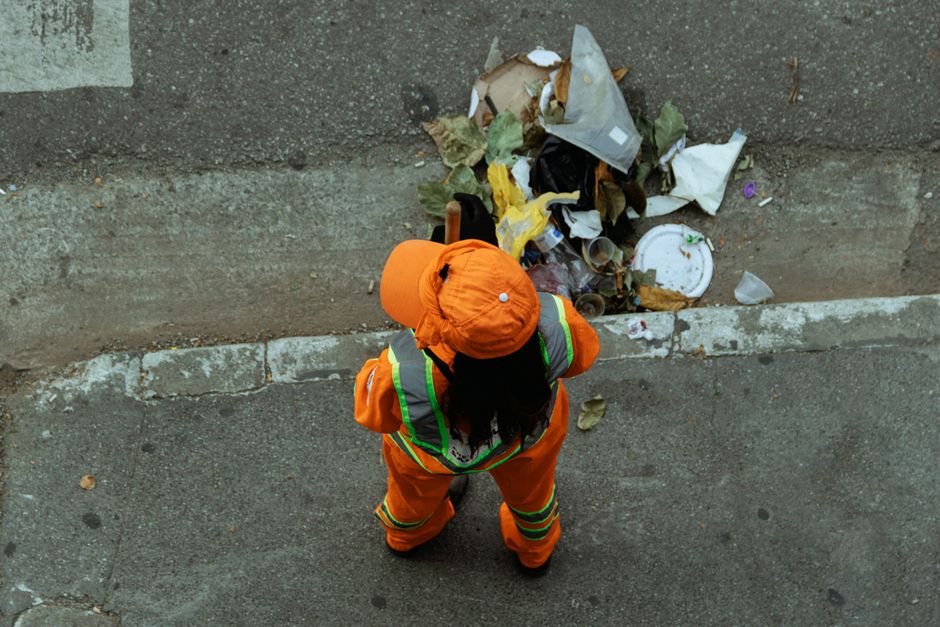
Cleaning work creates waste that looks harmless but can cause real problems if it is disposed of badly. A bucket of dirty rinse water tipped into the wrong place can clog drains, leave residue on pavements, or create an unpleasant smell that lingers far longer than anyone wants. Used cloths and mop heads can carry soils, detergents, grease, and sometimes bio-contamination. Old packaging, broken tools and removed materials all add up too.
The council angle matters because local waste rules are not just about tidiness. They are about where waste goes, who is responsible for it, and whether it is handled in a way that protects people and the environment. In a borough like Harrow, where homes, flats, shops, schools and commercial units sit close together, small mistakes can quickly become public nuisances. A skipped step here, a careless drain rinse there, and suddenly you have a complaint on your hands.
There is also a trust issue. If you are a cleaner or contractor, clients expect professionalism. They notice when you leave a site cleaner than you found it, and they also notice when waste disposal feels a bit improvised. Truth be told, proper waste handling is one of those unglamorous things that quietly separates a reliable service from a risky one.
Expert summary: The safest approach is to treat cleaning waste as a mixed operational responsibility: separate it, contain it, identify anything that needs special handling, and use the correct disposal route rather than assuming everything can go in one bin.
How Harrow Council rules for waste from cleaning jobs Works
At a practical level, Harrow Council rules for waste from cleaning jobs work around a few common questions: what type of waste is it, where did it come from, can it be recycled, and does it need special handling because it is liquid, contaminated, bulky, or potentially hazardous?
The answer starts with classification. Waste from cleaning jobs is not a single category. It can include general rubbish, recyclable packaging, absorbent materials, dirty water, damaged textiles, contaminated disposable items, and in some cases waste with chemical residue. The right route depends on the material, not just on the fact that it came from a cleaning job.
For example, a cardboard detergent box and a used microfibre cloth are not necessarily handled the same way. A lightly soiled cloth may go into general waste or laundry handling, depending on the site process. A cloth contaminated with something more serious may require separate containment. A bottle that still contains concentrated chemical residue is another matter again. That is why a one-size-fits-all approach rarely works.
There is also the issue of liquid waste. Many people assume "it's only dirty water" and tip it wherever seems easiest. Not a great idea. Liquids from cleaning jobs can contain detergents, loosened dirt, grease, hair, fibres, and sometimes odour-heavy residues. They should be managed so they do not enter drains, surface water channels, or public areas in a careless way. If a site has suitable disposal arrangements, use them. If not, pause and decide properly rather than guessing.
Commercial cleaners usually need a more disciplined setup than domestic one-off jobs. On larger sites, waste should be sorted at source, stored safely, and removed through the correct collection arrangement. If your work sits in that space, the operational guidance on our commercial carpet cleaning page gives a useful sense of how larger cleaning projects tend to be handled in practice.
One more thing: council rules and site rules are not always the same thing. A private landlord, managing agent, business or school may have stricter internal expectations than the borough does. So you need to follow both the local baseline and the client's requirements. That sounds obvious, but in the rush of a busy day it is the bit people forget.
Key Benefits and Practical Advantages
Following proper waste rules may feel like admin, but it pays off quickly. The benefits are not abstract; they show up in day-to-day work.
- Cleaner site handover: You finish the job without leaving awkward bags, drips, or residue behind.
- Lower risk of complaints: Neighbours, tenants and staff are less likely to report smells, spills or fly-tipping concerns.
- Better compliance: You reduce the chance of disputes about who was responsible for the waste.
- Safer working conditions: Proper containment keeps staff away from sharp, wet or contaminated materials.
- Improved recycling outcomes: Dry packaging and clean materials are easier to separate from general waste.
- More professional image: Clients trust cleaners who manage the whole process, not just the visible part.
There is also a quieter benefit: less faff later. If you sort waste properly during the job, you spend less time dealing with messy bags, leaks in the van, or the "who was meant to take this?" conversation afterwards. Everyone has had one of those. Nobody enjoys it.
Who This Is For and When It Makes Sense
This guidance is relevant to a surprisingly wide group. If you clean for a living, you need it. If you manage properties, you probably need it too. If you are a business owner trying to keep the premises tidy after a deep clean, yes, still relevant. Waste from cleaning jobs appears in more places than people think.
- Domestic cleaners who generate packaging, disposable wipes, cloths or small volumes of dirty water.
- Carpet and upholstery cleaners dealing with extraction waste, filters, lint and heavily soiled materials.
- Commercial cleaning teams handling larger waste volumes across offices, retail units, hospitality spaces or shared buildings.
- Landlords and letting agents organising end-of-tenancy cleans and clear-outs.
- Facilities managers coordinating waste routes for cleaning contractors on busy sites.
- Homeowners and tenants who want to avoid accidentally disposing of waste in the wrong way.
It makes the most sense to think about these rules before the job starts, not after. A small cleanup in a kitchen is one thing. A full upholstery clean, stain removal job or steam extraction on a large carpet is another altogether. If your work includes fabric care, our pages on carpet cleaning, steam carpet cleaning, and upholstery cleaning show the sort of service contexts where waste planning is worth doing properly.
Step-by-Step Guidance
Here is a practical way to deal with cleaning waste without overthinking it.
- Identify the waste before you start. Look at what the job is likely to produce: dirty water, packaging, disposable pads, cloths, removed debris, damaged items, or chemical containers.
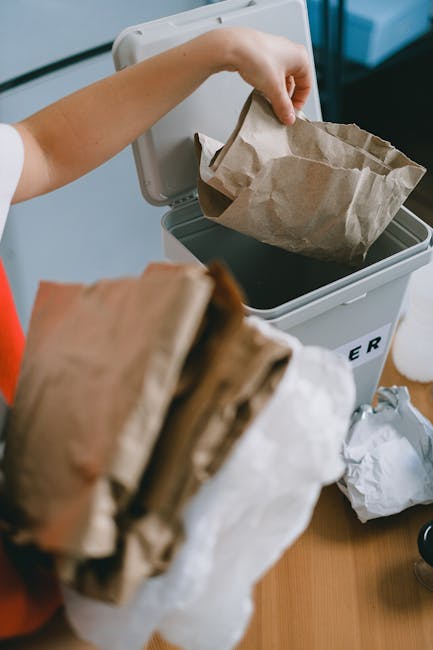
- Separate waste at source. Keep recyclables, general waste, and any contaminated material apart wherever possible. Once everything is mixed together, the whole lot becomes harder to handle.
- Contain liquids securely. Use sealed containers or extraction tanks. Do not assume you can pour dirty water out anywhere convenient. You really can make a mess fast with that approach.
- Check for special waste. If anything is contaminated with chemicals, bodily fluids, oils, mould, or other risky material, stop and assess it separately. Don't improvise.
- Use the right disposal route. Recyclable dry packaging should not be thrown in with wet waste. Likewise, general rubbish should not be dumped where a client expects recycling or controlled disposal.
- Label and store waste safely. If waste is waiting for collection, keep it closed, stable and away from walkways. No loose bags flapping about in a corridor.
- Document where needed. For commercial work, record what was removed, how it was handled, and who was responsible for collection.
- Leave the site tidy. A final check around skirting boards, entrances, loading areas and bins catches the awkward bits most people miss.
That last sweep matters more than it sounds. You notice it most at the end of the day, when the light is lower and the floor has that just-cleaned look. A stray wrapper or leaking bag stands out immediately. So do a slow final look. It saves embarrassment later.
What to do with dirty water
Dirty water from cleaning jobs is often the most misunderstood waste stream. If the water contains detergents, soil, grease or fibres, treat it with care. Use an approved disposal method, do not pour it into the street, and avoid any route that could affect drainage or the wider environment. If you are working on a site with specific wash-down facilities or drainage rules, follow those first.
What to do with used cloths and disposables
Used cloths, wipes, mop heads and disposable pads should be sorted according to contamination level. Lightly soiled material is one thing; heavily contaminated material is another. If there is any doubt, treat the item more cautiously. It is better to be slightly over-careful than to spread contamination around a van, a bin store, or a client's hallway.
What to do with packaging and containers
Empty cartons, shrink wrap, clean plastic bottles and similar packaging can often be recycled if they are clean and separated properly. But if they still contain product residue, they may not qualify. A quick rinse is not always enough. Check the material first, then decide.
Expert Tips for Better Results
Over time, the best waste handling systems are the boring ones. Not flashy, just dependable.
- Use two-stage sorting. First separate wet from dry; then sort recyclable from non-recyclable. It keeps the process simple on busy jobs.
- Carry spare liners and sealable bags. Small leaks are the sort of thing that turn a normal job into a nuisance.
- Keep a waste kit in the van. Gloves, absorbent pads, labels, wipes, and a couple of heavy-duty bags make a real difference.
- Train everyone the same way. If one person understands the waste process and another doesn't, mistakes creep in very quickly.
- Match the waste plan to the job size. A sofa clean in a flat and a post-tenant office clean are not the same beast, even if the equipment looks similar.
- Build in a final disposal check. Before leaving site, ask: what is still wet, what is recyclable, what needs collection, and what could leak in transit?
If sustainability matters to your business, it is worth thinking beyond compliance. Cleaner waste streams reduce landfill where possible and help clients see that you are not just clearing dirt, you are managing the whole footprint of the job. That shows up nicely in the way people talk about your service later. Quietly, but clearly.
Common Mistakes to Avoid
Most waste problems come from a few avoidable habits. None of them are dramatic on their own, which is exactly why they get repeated.
- Dumping liquid waste without checking the route. This can create drainage issues or breach site expectations.
- Mixing everything into one bag. Recyclables, contaminated waste and general rubbish then all become harder to manage.
- Leaving waste uncovered in vehicles. Spills, odours and cross-contamination are a predictable result.
- Assuming all "cleaning waste" is low-risk. Some materials are fine. Others are not. Treat them differently.
- Forgetting the client's own rules. Building managers may ask for segregation or collection arrangements that go beyond the borough's baseline.
- Not cleaning the waste area itself. A tidy bin bag can still sit in a dirty patch. That doesn't look great.
A small, slightly embarrassing reality: the mess you do not see in the first five minutes is usually the mess you find in the van floor later. And then it's Friday. And then it smells. Better to avoid that whole story.
Tools, Resources and Recommendations
You do not need a complicated setup, but a few practical tools make compliance much easier.
| Tool or item | Why it helps | Best use case |
|---|---|---|
| Sealable heavy-duty bags | Reduces leaks and keeps contaminated waste contained | Used cloths, pads, and small waste loads |
| Rigid tubs or buckets with lids | Safer for transporting liquid waste or damp debris | Extraction work, wash-down waste, or heavy soils |
| Labels or tape markers | Makes separation clearer for teams and collections | Commercial sites with multiple waste streams |
| Absorbent pads | Helps deal with drips before they spread | Vehicle transport and storage areas |
| Disposable gloves and PPE | Reduces exposure to contamination and sharp debris | All cleaning jobs, especially end-of-tenancy and commercial work |
For business owners, it is also worth reading your own service terms carefully. Waste handling expectations, access arrangements and collection responsibilities often sit alongside payment and job scope. Our terms and conditions and pricing and quotes pages are useful examples of the kind of practical detail that helps set expectations early. If you are comparing suppliers, pay attention not just to the cleaning itself, but to how clearly they manage the aftermath.
Law, Compliance, Standards, or Best Practice
When people talk about council waste rules, they often mean a mix of local expectations, general UK waste duty principles, and site-specific requirements. The exact position can depend on the waste type and the setting, so caution is sensible. In practice, you should assume that anything arising from a cleaning job must be handled responsibly, kept segregated where possible, and disposed of using a lawful route.
For household-type cleaning waste, the main concern is usually correct disposal and avoiding nuisance. For commercial cleaning waste, the bar is often higher. Businesses are typically expected to have clearer records, better segregation, and more controlled arrangements. If you are responsible for waste on behalf of a client, you may also need to make sure your procedures fit the client's own environmental or health and safety standards.
Special attention should be paid to anything potentially hazardous or contaminated. That includes residues from strong chemicals, mould-affected materials, bodily-fluid contamination, sharps, or waste that may need separate handling. Do not mix these with everyday rubbish. If a situation is unclear, the best move is to pause and seek the correct disposal route rather than guessing. Guessing is expensive. And usually sticky.
Good practice also means protecting drains, bins, shared access routes and vehicle interiors from contamination. Even when waste is legally disposable, you still need to move it safely. That distinction matters a lot in real-world cleaning work.
Options, Methods, or Comparison Table
Different jobs call for different handling methods. Here is a straightforward comparison to help you choose the right approach.
| Method | Best for | Pros | Watch-outs |
|---|---|---|---|
| General waste bagging | Light dry waste, non-recyclable debris | Simple and fast | Not suitable for liquids or mixed contamination |
| Recycling separation | Clean packaging and dry recyclable materials | Supports sustainability and reduces landfill | Only works if materials stay clean and dry |
| Sealed liquid containment | Dirty water and extraction residue | Reduces spill risk and improves transport safety | Needs careful storage and approved disposal |
| Special handling stream | Contaminated or risky materials | Better safety and clearer compliance | Requires more judgment and stricter control |
For many carpet, rug and upholstery jobs, the best method is actually a combination: recycle what is clean, bag what is dry and non-recyclable, contain liquids, and isolate anything questionable. Simple, but not simplistic.
Case Study or Real-World Example
A common scenario goes like this. A cleaner finishes a two-bedroom flat after an end-of-tenancy deep clean. There are detergent bottles, a few damaged cloths, some food debris from behind appliances, a bucket of dirty rinse water, and a couple of recyclable cardboard boxes from new supplies. Nothing dramatic. But if this all goes into one sack, the waste becomes heavier, leakier and harder to manage.
In a better-run version, the cleaner separates the cardboard, empties the usable liquid through the correct route, bags the cloths separately, and keeps the food waste closed and contained. The job ends with one tidy final sweep and no wet patch by the doorway. The tenant or landlord sees a professional finish, not a half-finished mess. Small difference, big impression.
The same logic applies to specialist work like stain removal or pet odour cleanups. Those jobs can involve more contaminated materials, stronger smells and more careful handling. That is why service pages such as stain removal and pet stain odour removal matter in the broader picture. The cleaning may end in the room, but the waste management part continues after the visible stain is gone.
Practical Checklist
Use this before and after a job to keep waste handling tidy and consistent.
- Have I identified all waste types created by the job?
- Have I separated dry waste from liquids?
- Are recyclables clean enough to be recycled?
- Is any waste contaminated or potentially hazardous?
- Are bags, tubs or containers sealed properly?
- Is the waste stored away from walkways and client access routes?
- Do I know where the waste is being disposed of?
- Have I checked the client's own waste rules or site instructions?
- Is the van protected against leaks and odours?
- Have I done a final look for loose packaging, drips or debris?
If you can answer yes to most of those without hesitation, you are already ahead of many rushed jobs. That is the honest truth.
Conclusion
Harrow Council rules for waste from cleaning jobs are easiest to follow when you treat waste as part of the service, not an afterthought. Sort it properly, contain it safely, keep liquids under control, and be clear about what is recyclable, what is general waste, and what needs special handling. That approach reduces risk, supports compliance, and makes your work look more professional from start to finish.
For homeowners, landlords and cleaners alike, the same principle applies: the clean should not create a second problem. A good waste routine keeps jobs smoother, clients happier, and final handovers far less stressful. And that is worth doing properly.
Get a free quote today and see how much you can save.
Frequently Asked Questions
What counts as waste from a cleaning job in Harrow?
It can include dirty water, used cloths, disposable wipes, packaging, damaged tools, extracted debris, and any materials removed during the clean. The exact handling depends on whether the waste is dry, wet, contaminated or recyclable.
Can I pour dirty water from cleaning jobs down a drain?
Not automatically. Dirty water may contain detergents, soil and other residues that need a proper disposal route. The safest approach is to use an approved method and follow any site-specific instructions rather than tipping it casually.
Are used cleaning cloths recyclable?
Usually not if they are heavily soiled or contaminated. Lightly used cloths may be reused through laundering, but once material is contaminated, it should be handled according to its risk level and disposal route.
What should I do with empty detergent bottles?
If they are truly empty and clean enough, they may be recyclable depending on the material and local arrangements. If they still contain product residue, they should be treated more cautiously.
Do Harrow Council rules apply to domestic and commercial cleaning jobs?
Yes, but commercial jobs often need tighter control, clearer records and better segregation. Domestic jobs can still create waste that needs proper handling, especially when liquids or contamination are involved.
What is the biggest mistake cleaners make with waste?
Mixing everything together. Once recyclables, liquids and contaminated waste are combined, disposal becomes harder, messier and less efficient. It also creates avoidable risk.
How should I store waste before collection?
Keep it sealed, stable and away from walkways or client access routes. Any liquid waste should be especially secure so it cannot leak into vehicles, communal areas or storage spaces.
What if the waste is contaminated with mould or bodily fluids?
That waste needs more careful handling and should not be treated like normal cleaning rubbish. Separate it, contain it securely and follow the appropriate special handling route for the situation.
Do I need to keep records of cleaning waste disposal?
For commercial work, yes, records are often a very good idea and may be expected by clients. Even on smaller jobs, basic notes can help if there is ever a question about where waste went.
How can I reduce waste on cleaning jobs?
Plan the job properly, carry only what you need, separate recyclables, use reusable cloths where suitable, and choose products that generate less unnecessary packaging. A little planning goes a long way.
What should I do if I am not sure how a waste item should be handled?
Treat it cautiously and do not guess. Separate it from general waste, keep it contained, and use the most appropriate disposal route available. If in doubt, slower is safer. Always.
Does this guidance matter for one-off home cleaning jobs too?
Yes. Even a small one-off clean can generate dirty water, packaging and contaminated disposables. The scale is smaller, but the basic principle stays the same: separate, contain and dispose of waste properly.