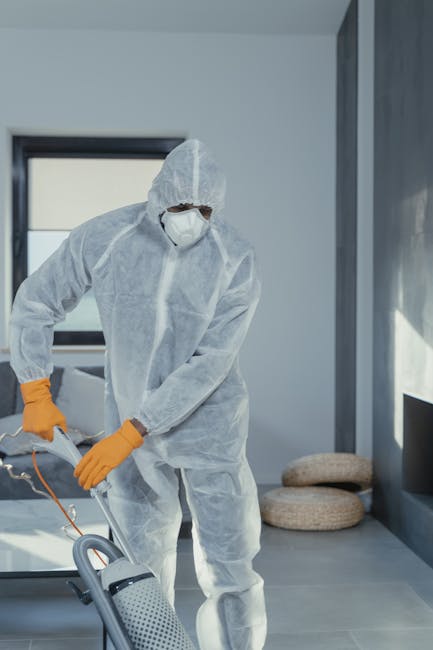
Headstone Manor upholstery cleaning before and after: what really changes, and why it matters
If you are looking at Headstone Manor upholstery cleaning before and after photos, you are probably trying to answer a simple question: will it actually make a visible difference to my sofa, chair, or dining seats? Fair enough. A clean-looking fabric can lift an entire room, while tired upholstery can make even a decent home feel a bit worn out. In this guide, we break down what before-and-after results usually show, how upholstery cleaning works, which fabrics respond best, and what to expect if you are comparing your own furniture with a professional clean.
You will also find practical tips, a simple checklist, and a realistic view of what cleaning can and cannot do. No fluff. Just the sort of advice that helps you decide whether now is the right time to book a clean, spot treat a stain, or wait until a more stubborn mark is dealt with properly.
Why Headstone Manor upholstery cleaning before and after matters
Before-and-after images are not just for show. They help you understand the condition shift that upholstery cleaning can deliver: colour looks brighter, fibres stand up better, and hidden grime becomes far less noticeable. In a local area like Headstone Manor, where homes often balance busy family life, pets, visitors, and everyday wear, upholstery can pick up a surprising amount of dirt without looking dramatically dirty at first glance.
That is the sneaky bit. Upholstery often fades gradually. You live with it, so you stop noticing the dullness. Then one day you move a cushion, catch the difference in daylight, and think, "Oh. Right." A good before-and-after clean makes that slow build-up visible again, and that visibility matters when you are deciding whether cleaning is worth it or whether replacement is the better option.
It also matters for budgeting and expectations. Before-and-after photos help set realistic standards. A light refresh on a lightly used armchair will not look the same as a deep clean on a sun-faded three-seater with old spill marks. To be fair, that is the whole point: honest results are more useful than dramatic promises.
For people comparing service levels, it can help to look at broader fabric care too. If your home needs a full reset rather than a single piece cleaned, it may be sensible to review professional upholstery cleaning alongside related services such as sofa cleaning or targeted stain removal.
How Headstone Manor upholstery cleaning before and after works
Upholstery cleaning is essentially a controlled process of loosening, extracting, and lifting embedded soil from fabric or leather-safe surfaces. The exact method depends on the material, construction, and type of soiling. A before-and-after result is usually the visible proof that this process has removed a layer of dust, body oils, food residue, pollen, and the odd mystery mark that appeared during a Sunday lunch and was never fully explained.
In a typical professional clean, the cleaner first inspects the piece. This is more important than people think. Fabric type, seam strength, dye stability, and previous cleaning attempts all influence the method. After that, a dry soil removal stage is usually carried out, followed by pretreatment on marks, then a deeper cleaning phase. On many fabrics, hot water extraction or low-moisture cleaning is used; delicate items may need a gentler approach.
The "after" image usually reveals three clear changes:
- the fabric tone looks more even;
- high-contact areas like armrests and headrests look less greyed out;
- old spills and shading often become less obvious, though not always fully removed.
That last point matters. Not every stain can be erased, especially if it has set, bleached the dye, or reacted with a previous DIY cleaner. A good cleaner should say so plainly. If you want a deeper sense of how different fibre types respond, the service page for curtain cleaning can also be useful because the same caution around fabric structure often applies.
Key benefits and practical advantages
When upholstery is cleaned properly, the benefits are both visual and practical. The obvious one is appearance. But the real value is often in the smaller things you notice later in the week: the room smells fresher, dust does not seem to collect as quickly, and the furniture feels less sticky or flat.
Here are the main advantages people usually notice after a good clean:
- Brighter appearance: fabric often looks lighter and more even in natural daylight.
- Reduced visible staining: fresh food marks, drink rings, and day-to-day grime can fade significantly.
- Improved hygiene: upholstery can hold dust, allergens, and general household buildup.
- Odour reduction: fabric can trap smells from pets, cooking, smoke, and moisture.
- Longer furniture life: removing abrasive dirt helps slow wear.
- Better presentation: useful if you are preparing for guests, letting a property, or simply wanting the living room to feel tidier.
If the upholstery is in a busy home, the before-and-after difference can be especially satisfying on armrests, scatter cushions, and dining chairs. Those are the zones that take the most contact, and yes, they usually show it first. In many cases, the clean result is less about "brand new" and more about "finally looks cared for again." That is a very real win.
Expert summary: the best upholstery cleaning results are not always the most dramatic ones. The most valuable result is often a clean that looks natural, smells fresh, and leaves the fabric feeling revived without over-wetting or damaging it.
Who this is for and when it makes sense
Headstone Manor upholstery cleaning before and after makes sense for a wide range of households and businesses. If you have visible stains, pet odours, heavy use, or simply a piece that has lost its brightness, you are in the right place. It is also a good option when a room looks fine at a quick glance, but not quite right in daylight. You know the feeling. Something is just a bit off.
This is especially relevant if you have:
- family sofas that get used every day;
- light-coloured fabric that shows shading quickly;
- pets that nap on the furniture;
- rented or furnished accommodation needing a reset;
- dining chairs that pick up food and drink marks;
- older upholstery that has never been professionally cleaned;
- office seating or reception furniture that needs to look presentable.
It also makes sense if you are comparing whether to clean or replace. A professional clean can be a cost-effective middle ground when the frame is sound and the fabric is still in good condition. On the other hand, if the upholstery has deep structural damage, seam failure, or severe dye transfer, cleaning may improve the look only partially. Honest assessment is key.
For homes or small businesses that need more than one fabric item refreshed, it may be useful to look at complementary services such as rug cleaning or mattress cleaning. They often fit into the same overall deep-clean plan.
Step-by-step guidance
If you are trying to understand the process behind the before-and-after effect, here is the practical version. Not the glossy brochure version. The real one.
- Inspect the fabric and condition. The cleaner checks the material type, colourfastness, stains, wear points, and any manufacturer instructions.
- Test a small area. This is especially important on delicate or mixed fibres. A tiny test helps avoid colour loss or texture changes.
- Vacuum thoroughly. Dry soil is removed first. Skipping this step means you are cleaning grit into the fibres, which is not ideal.
- Pre-treat spots and traffic marks. Specific stain products or agitation may be used, depending on the mark.
- Apply the chosen cleaning method. This may involve hot water extraction, low-moisture cleaning, or a specialist approach for sensitive fabrics.
- Extract moisture and residues. Good extraction helps reduce drying time and prevents sticky residue.
- Post-inspect and groom if needed. The cleaner checks the result, adjusts any remaining marks, and may brush fibres for a better finish.
- Dry properly. Ventilation matters. Open windows if possible and avoid sitting on the upholstery until it is fully dry.
The difference between a decent result and a great one often comes down to patience during the setup and drying stages. A rushed clean can look good for a day and then smell slightly damp later. Nobody wants that, let's face it.
Expert tips for better results
If you want the best possible before-and-after outcome, a few small decisions make a big difference. Some are obvious, some less so. The quieter ones are often the most useful.
- Act early on fresh spills. Blot, do not rub. Rubbing pushes the stain deeper and can roughen fibres.
- Keep cushions rotated. Even wear gives a more even final result.
- Vacuum regularly. Dust and crumbs act like fine grit. Unromantic, but true.
- Be careful with DIY spot cleaners. A lot of home products leave rings or bleach the fabric slightly.
- Tell the cleaner what happened. Tea, red wine, pet accidents, grease, ink - each one needs a different approach.
- Allow enough drying time. It is tempting to use the sofa again too soon. Try not to.
Here is one thing professionals notice all the time: the best results often come from clear communication, not aggressive cleaning. If a stain has already been treated at home, say so. If there was a pet issue, say so. That extra context can save the fabric from another round of trial and error.
If odours are part of the problem, a specialist approach such as pet stain and odour removal may be more appropriate than a general surface refresh.
Common mistakes to avoid
Some upholstery mistakes are tiny in the moment and expensive later. There is a reason cleaners tend to be cautious. Fabric does not forgive impatience very kindly.
- Using too much water: over-wetting can cause long drying times, marks, and even backing damage.
- Scrubbing hard: this can distort the pile or spread the stain wider.
- Skipping a test patch: especially risky on dyed fabrics and older pieces.
- Using the wrong product: household sprays are not all made for upholstery.
- Ignoring the fibre type: a cotton blend, synthetic, velvet, and wool mix will not all behave the same.
- Expecting every stain to vanish: some marks are permanent or have chemically changed the fabric.
- Sitting on it too soon: this can flatten damp fibres and re-soil the area.
One of the most common myths is that more product means a better clean. It usually does not. Often it just means more residue. And residue attracts dirt. That is the annoying loop nobody wants.
Tools, resources and recommendations
You do not need a cupboard full of chemicals to keep upholstery in decent shape, but you do need the right basic kit. For everyday care, a soft brush attachment, a decent vacuum, clean microfibre cloths, and a gentle fabric-safe spot treatment are usually enough.
For deeper cleaning, professionals may use:
- inspection lights or simple daylight checks;
- fabric-safe pretreatment solutions;
- hot water extraction equipment or low-moisture systems;
- specialist stain tools for edges and seams;
- air movers or ventilation aids to help drying.
When you are choosing a service, it is worth checking the company's wider approach to trust and safety. You can review practical details through pages such as insurance and safety information, health and safety policy, and pricing and quotes. Those pages help set expectations before anyone arrives at the door with equipment and a hose in hand.
It can also be useful to understand how a company handles payments and data, especially if you are booking online or arranging work for a property managed on behalf of someone else. The pages on payment and security and privacy policy are worth a look for that reason.
Law, compliance, standards, or best practice
For upholstery cleaning in the UK, the most practical guidance is to follow manufacturer care labels, use safe working methods, and avoid damaging the item or surrounding property. There is not a single universal rule for every fabric, because upholstery materials vary so much. That is why professional judgement matters.
Best practice usually includes:
- checking care labels and construction before treatment;
- using test patches on hidden areas when appropriate;
- avoiding harsh solvents on sensitive fabrics;
- managing moisture carefully to reduce risk of shrinkage, dye bleed, or odour;
- working with suitable insurance and safe procedures;
- being clear about limitations where stains are permanent or the fabric is fragile.
For householders, there is also a straightforward consumer expectation: the service should be described honestly and delivered with reasonable care. If there is any uncertainty about a stain, fabric, or existing damage, a careful cleaner will say so before proceeding. That is not a weakness. It is professionalism.
If you want a sense of the provider's wider standards, the pages on terms and conditions and recycling and sustainability can also tell you a lot about how the business thinks.
Options, methods, or comparison table
Different upholstery materials and conditions call for different approaches. Here is a simple comparison to make the decision a little easier.
| Method | Best for | Strengths | Watch-outs |
|---|---|---|---|
| Hot water extraction | Durable fabric sofas, heavily used seating | Strong deep-cleaning power, good soil removal | Needs careful drying; not ideal for every delicate fabric |
| Low-moisture cleaning | Sensitive fabrics, faster turnaround needs | Shorter drying time, less saturation | May be less aggressive on embedded stains |
| Targeted stain treatment | Specific spots, spill marks, traffic areas | Good for focused problem areas | Not a full replacement for overall cleaning |
| Pet odour treatment | Homes with animals, urine or scent issues | Helps address smell and contamination | Results depend on how deep the contamination went |
| General surface refresh | Lightly soiled, regularly maintained furniture | Quick improvement, good visual lift | May not solve deep staining |
If you are deciding between a full upholstery clean and another fabric service, the right choice often depends on how the item is used. A heavily handled sofa in the lounge usually needs more than a quick refresh, while a decorative chair in a spare room may only need light care. Common sense wins here.
Case study or real-world example
Here is a realistic example from the sort of job people request all the time in Headstone Manor. A family sofa had three years of daily use, one obvious tea mark on an arm, and a dull grey cast in the centre cushions. It did not look filthy. That is what made it deceptive. In morning light, though, the fabric had clearly flattened and the arm area was noticeably darker.
After inspection, the cleaner identified the fabric as a standard durable upholstery blend and tested a hidden area. The work then focused on dry soil removal, a mild pretreat on the tea mark, and a controlled deeper clean. The after result was not a magical transformation into a brand-new sofa. Let's not pretend otherwise. But the fabric looked noticeably fresher, the arm shading reduced, and the room itself felt brighter because the sofa no longer pulled the eye for the wrong reasons.
The biggest change was actually under the surface: the household reported that the sofa smelled cleaner and felt less tired. That is the sort of result many people really want, even if they only say they want the stain gone. Fair enough.
For a similar result on other seating, you might also compare the approach used for commercial carpet cleaning in shared spaces, where presentation and hygiene both matter, though the materials and method are obviously different.
Practical checklist
Use this quick checklist before booking or attempting upholstery cleaning at home. It keeps expectations sensible and stops little mistakes from becoming bigger ones.
- Check the care label, if available.
- Identify the main issue: dirt, stain, odour, dust, or wear.
- Take a clear before photo in natural light.
- Note any previous cleaning products used on the area.
- Test any spot cleaner on a hidden patch first.
- Vacuum the upholstery before applying liquid.
- Open windows or arrange ventilation for drying.
- Avoid sitting on the fabric until fully dry.
- Ask whether the stain is likely to be reduced or only improved.
- Keep expectations realistic: better, fresher, cleaner - not always perfect.
Quick takeaway: the best before-and-after results come from a sensible method, a fabric-safe approach, and honest expectations. That combination beats miracle claims every time.
Conclusion
Headstone Manor upholstery cleaning before and after is really about understanding change: not just how a sofa looks in a photo, but what a proper clean can do for the feel, smell, and overall life of a room. Some pieces need a deep clean. Others need stain-focused treatment or just a careful refresh. The trick is matching the method to the material, then giving it enough time to do its job.
If you are weighing up whether your upholstery is worth saving, the answer is often yes, provided the structure is still sound and the fabric has not been badly damaged. A well-executed clean can make a home feel looked after again, which sounds small, but honestly it isn't. It can change the mood of a room. And that matters more than people admit.
Get a free quote today and see how much you can save.
When you are ready, take the next sensible step and compare your furniture honestly against the before-and-after signs above. A fresh, well-kept space has a way of giving a bit of breathing room back into the day.
Frequently Asked Questions
What does upholstery cleaning before and after usually look like?
Usually you will notice a cleaner, brighter fabric tone, less visible marking around armrests and seat fronts, and a fresher overall appearance. Stains may fade rather than disappear completely, depending on how old they are.
How long does it take to see results after upholstery cleaning?
You often see the improvement immediately after cleaning, but the full look may only settle once the fabric has dried. Drying time depends on fabric type, airflow, room temperature, and how much moisture was used.
Can all stains be removed from upholstery?
No, and it is better to be realistic about that. Some stains are permanent, some have set deeply into the fibres, and some may have altered the dye. Good cleaning can still improve the appearance a great deal.
Is upholstery cleaning safe for delicate fabrics?
It can be, if the method is chosen carefully. Delicate fabrics usually need testing, lower moisture, and a more cautious approach. This is one of those times where "gentle" is a strength, not a compromise.
How often should upholstery be professionally cleaned?
That depends on usage. A heavily used family sofa may need attention more often than a spare-room chair. If pets, children, or food spills are part of daily life, cleaning sooner usually makes sense.
Will upholstery cleaning remove pet smells?
It can reduce many odours, but the outcome depends on how deep the contamination has gone. Surface odours are easier to deal with than ones that have soaked into the cushioning or backing layers.
Is it worth cleaning old furniture before replacing it?
Often, yes. If the frame is solid and the fabric is still in reasonable condition, cleaning can be a much more practical step than replacing the entire piece straight away.
How should I prepare my furniture before a clean?
Remove cushions if asked, clear nearby items, vacuum loose debris if possible, and point out any stains or damaged seams. A bit of preparation helps the process go more smoothly.
What is the difference between sofa cleaning and upholstery cleaning?
Sofa cleaning is focused on sofas specifically, while upholstery cleaning covers a wider range of fabric-covered furniture such as chairs, stools, benches, and other seating. The techniques overlap a lot.
Can cleaning make faded upholstery look new again?
Not usually. Cleaning removes dirt and dullness, which can make colours look more vibrant, but true fading from sun or age cannot normally be reversed by cleaning alone.
Why do some before-and-after photos look more dramatic than others?
Because the starting condition varies. A lightly soiled fabric may only need a subtle refresh, while a neglected piece can show a very clear transformation. Lighting in the photo also makes a big difference, to be fair.
What should I ask before booking upholstery cleaning in Headstone Manor?
Ask what cleaning method will be used, whether your fabric is suitable, how long it will take to dry, what the likely outcome is for stains, and whether any insurance or safety information is available. A good provider will answer plainly.