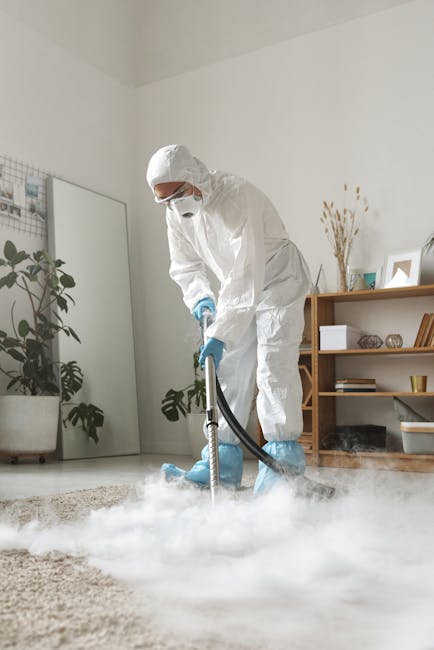
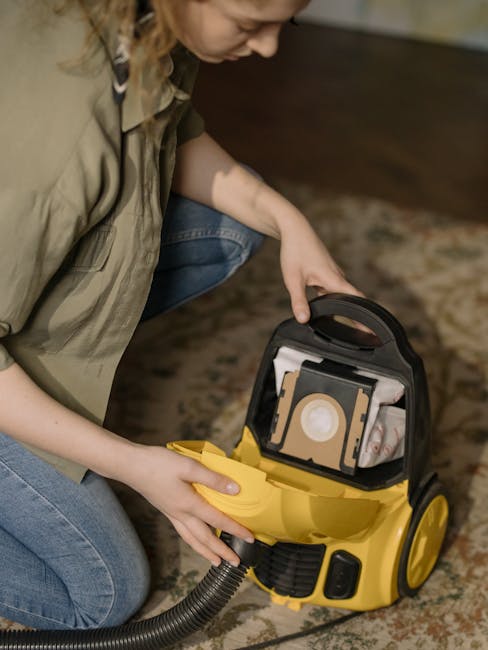
House clearance and carpet cleaning disposal HA2 rules: a practical guide for homeowners, landlords and tenants
If you are dealing with a full house clearance, old carpet rolls, or piles of waste after a deep clean, the rules can feel oddly specific. That is because they are. House clearance and carpet cleaning disposal HA2 rules touch on waste segregation, lift-and-carry logistics, stain-contaminated materials, local recycling expectations, and the simple question of what can go in the bin versus what needs a proper collection. In HA2, where flats, terraces and busy family homes often need a quick turnaround, getting disposal right saves time, avoids fly-tipping risk, and keeps the job tidy from start to finish.
This guide breaks the subject down in plain English. You will see how clearance and carpet disposal usually work, what to do with carpet offcuts and underlay, how to reduce contamination, and where people most often go wrong. It is written for real-world situations, not theory. Let's face it, nobody wants to finish a clearance only to discover the waste has been left in the hallway because the skip was booked too late.
Expert summary: the safest approach is to separate reusable items, bulky household waste, and carpet-related materials early, then choose a disposal method that matches the material type and the scale of the job. That one habit prevents most headaches.
Table of Contents
- Why House clearance and carpet cleaning disposal HA2 rules Matters
- How House clearance and carpet cleaning disposal HA2 rules Works
- Key Benefits and Practical Advantages
- Who This Is For and When It Makes Sense
- Step-by-Step Guidance
- Expert Tips for Better Results
- Common Mistakes to Avoid
- Tools, Resources and Recommendations
- Law, Compliance, Standards, or Best Practice
- Options, Methods, or Comparison Table
- Case Study or Real-World Example
- Practical Checklist
- Conclusion
- Frequently Asked Questions
Why House clearance and carpet cleaning disposal HA2 rules Matters
Disposal is the part of house clearance that most people underestimate. Clearing a home is not just about removing things; it is about removing the right things in the right way. Carpets, underlay, grippers, offcuts, curtains, sofas, mattresses and general junk all behave differently once they are cut up, damp, soiled or mixed together. That matters because mixed waste is harder to recycle, more expensive to remove, and more likely to be rejected by a contractor if it has not been sorted properly.
In HA2, many clearances happen during moves, lettings, probate jobs or end-of-tenancy turnarounds. Those jobs usually have a deadline. If you leave disposal decisions too late, you can end up paying extra for second trips or storage, and the room feels stuck half-finished. It is a bit like trying to decorate a room while the old furniture is still in the way. Nothing quite works until the waste is gone.
There is also a trust issue. A properly handled clearance reassures landlords, buyers and managing agents that the work was done carefully. For carpets in particular, the disposal route can affect whether a room can be recleaned, recycled, or simply bagged and removed as bulky waste. Good disposal practice also supports the broader recycling and sustainability expectations many households now prefer, which is why some customers like to review a company's recycling and sustainability approach before booking anything.
How House clearance and carpet cleaning disposal HA2 rules Works
At a practical level, house clearance disposal usually starts with sorting. The main categories are reusable items, recyclable materials, general household waste, and anything that needs special handling because it is contaminated or too bulky. Carpet cleaning waste often sits somewhere in the middle. A carpet that has merely been lifted for replacement may be treated differently from a carpet soaked in cleaning solution, pet waste, mould, or heavy staining. The same goes for underlay, which can be brittle, crumbly or heavily dust-laden.
Here is the usual flow. First, assess the property room by room. Then separate items that can be donated, reused or sold from items that are only fit for disposal. Next, remove carpet sections in manageable lengths rather than dragging long strips through the property. If the carpet is wet from steam cleaning, allow safe drying time where possible before bagging or loading it. Finally, choose the right disposal channel: bulky waste collection, skip hire, a licensed waste carrier, or a mixed-load clearance service. The best choice depends on volume, access, and urgency.
For homes with carpets that are being cleaned rather than replaced, there is a different but related issue: what happens to waste water, loose fibres, extracted soil and discarded spot-treatment materials. That waste should not be tipped casually into drains or left where it can contaminate living spaces. Professional cleaners normally separate cleaning waste from household rubbish and dispose of it according to their process and policies, which is why it is sensible to check service information such as health and safety guidance and insurance and safety information before booking a team into a property.
Key Benefits and Practical Advantages
When disposal is handled well, the whole clearance feels smoother. You notice it immediately. Rooms clear faster, dust is easier to contain, and there is less backtracking because the waste piles are already organised. There are a few clear benefits:
- Less disruption: sorting early means fewer pauses on the day.
- Lower risk of contamination: clean items stay separate from dirty or damp materials.
- Better recycling potential: recyclable carpet components and reusable furniture are easier to identify.
- Reduced chance of rejection: waste contractors are less likely to refuse a load that is sorted correctly.
- Cleaner handover: ideal for landlords, sellers and tenants who need a property ready quickly.
There is another practical advantage people rarely mention. Good disposal reduces smell. Old carpets can hold damp, pet odour and dust for years, and when you cut them up the smell can hit you all at once. Managing removal in stages keeps the air in the room more pleasant. Not glamorous, but very real.
If the clearance includes furniture, soft furnishings or mattresses alongside carpet waste, it can help to plan them together rather than as separate jobs. Services like sofa cleaning, upholstery cleaning and mattress cleaning are often considered before disposal, because sometimes the item is worth saving after a proper clean instead of sending straight to waste.
Who This Is For and When It Makes Sense
This topic matters to more people than you might think. Homeowners use it when moving out or renovating. Landlords need it at the end of a tenancy, especially when tenants leave carpets damaged or heavily soiled. Estate executors and family members need it during probate clearances, where the emotional pressure is already high and practical decisions need to be made quickly. Tradespeople and property managers also need clear rules when they are stripping out old flooring before a refit.
It also makes sense for people who are not doing a full house clearance but still need a focused disposal plan. Maybe the living room carpet has been lifted, but the underlay is crumbling. Maybe a bedroom clean has exposed a hidden stain and now the carpet needs replacing rather than restoring. Maybe a flat has limited lift access and you need everything bagged properly before the waste team arrives. In each case, the disposal method should match the situation, not the other way around.
Commercial settings have their own pressures. For example, a small office refit may need carpet removal after hours, and the waste has to be handled without blocking shared corridors or creating a trip hazard. If that sounds familiar, looking at commercial carpet cleaning can be useful for understanding how larger, access-sensitive jobs are planned.
Step-by-Step Guidance
Here is a simple way to handle house clearance and carpet cleaning disposal without making a mess of it.
- Walk the property first. Check every room, cupboard, loft space and under-bed area. Waste hides in plain sight more often than people expect.
- Sort into clear groups. Reusable, recyclable, bulky waste, carpet materials, and contaminated items. Keep each group separate where possible.
- Check access. Measure stairs, corridors, door widths and parking restrictions. A job can go sideways fast if the removal team cannot get a long carpet roll out safely.
- Remove carpet carefully. Cut into strips that two people can move without dragging. Roll and tie where practical.
- Bag loose debris. Carpet underlay crumbs, tack strip dust, and fibres should be swept up before loading.
- Decide on disposal route. Use the option that fits the size and type of waste. Do not assume every contractor handles every material the same way.
- Keep records if needed. For landlords or businesses, keep the invoice, collection note or service confirmation in case you need proof of responsible disposal.
If the carpet has been cleaned rather than removed, the sequence changes a little. Vacuum first, treat stains only where needed, then allow drying before furniture is moved back. A good steam finish from steam carpet cleaning can leave a floor fresh, but it still needs sensible aftercare. Damp carpet plus heavy furniture is a bad mix, plain and simple.
Expert Tips for Better Results
In our experience, the best disposal jobs are the boring ones. The property is planned, the waste is sorted, and nobody is improvising with bin bags at the end of a long day. A few expert habits help more than you'd think:
- Deal with contamination first. Pet accidents, mouldy fabric and water-damaged carpet should be isolated straight away.
- Use the right bag size. Overstuffed bags split. Then the hallway gets messy again. Nobody wants that.
- Protect shared spaces. In flats and maisonettes, use floor protection and keep lift time short.
- Separate soft furnishings from carpet waste. Different items may need different disposal routes.
- Ask about reuse before disposal. Some items can be cleaned, repurposed or donated if they are in decent condition.
- Plan the clean-up last. Finish with vacuuming, wiping and a final check so no staples, tacks or fibres are left behind.
A small but useful habit: keep one "decision pile" aside for items you are not sure about. It saves time because you do not stall the whole job over one awkward chair or a carpet offcut that might still be useful. That little pile can be reviewed at the end, when your brain is less frazzled.
If stains are the reason a carpet is being cleared out, it can be worth getting an opinion before you rip everything up. Some marks respond well to proper treatment, especially with stain removal or targeted pet stain and odour removal. Not every carpet is salvageable, of course. But some are, and that can change the whole disposal plan.
Common Mistakes to Avoid
The most common mistake is mixing everything together. Once wet carpet, food waste, dust and furniture are piled into one load, recycling becomes difficult and disposal costs usually climb. It also slows the job because each item has to be handled more carefully. Another frequent problem is underestimating weight. Old carpet with underlay can be surprisingly heavy, especially if it has absorbed moisture over time.
People also forget about hidden fixings. Carpet grippers, nails and staples can be sharp, and the final sweep matters. It sounds obvious, but these are the things that catch hands and damage footwear. Another one: booking a cleaning or clearance service before you know what access is like. Narrow stairs, no parking and awkward communal entrances can all change the approach.
Then there is the "we'll sort it later" habit. Later usually means at the end of a long day, when everyone is tired and the skip is nearly full. That is when mistakes happen. The better way is to sort as you go. It takes a little discipline, but saves a lot of grief.
Tools, Resources and Recommendations
You do not need a huge toolkit, but the right basics make clearance and carpet disposal far easier. A decent utility knife, heavy-duty bin bags, gloves, dust sheets, tape, a broom, and a vacuum with strong suction are the starting points. For larger jobs, carpet shears, a dolly or sack truck, and protective corner guards can help keep the work controlled.
It is also worth checking company information before you book. Pages like pricing and quotes can help you understand how a job is structured, while terms and conditions tell you what is and is not included. If you want to know how payment is handled, payment and security is useful too. Those details matter more than people think, especially on time-sensitive clearances where everyone is juggling keys, schedules and access.
For customers who care about the business behind the service, it can also be reassuring to read the company's about us page. Not because it is exciting in a dramatic way, but because it shows who you are dealing with and how they work. That kind of transparency builds trust.
Law, Compliance, Standards, or Best Practice
While this guide is not legal advice, it is fair to say that disposal in the UK is governed by general waste-duty principles, responsible handling expectations and local collection rules. In practical terms, that means you should not abandon waste, dump it in shared bin stores without permission, or hand it to an unlicensed operator. Householders and landlords are both better off choosing a disposal route that is traceable and appropriate for the material.
Best practice usually includes three things: clear sorting, safe handling, and proper disposal confirmation. If a contractor removes waste on your behalf, ask how it will be transported and where applicable notes or receipts will be provided. If the clearance involves fragile flooring, wet cleaning residue or potentially contaminated materials, it is sensible to treat the job as higher risk and slower-moving rather than rushing it.
There are also everyday safety standards to consider. Sharp fixings, damp surfaces and heavy lifting can create avoidable hazards. That is why good teams use protective equipment, move in pairs when needed, and keep walkways open. If you are curious how a provider thinks about these issues, their health and safety policy and insurance and safety pages are worth a look.
Options, Methods, or Comparison Table
There is no single "best" disposal method for every clearance. The right choice depends on speed, volume, access and how mixed the waste is. Here is a straightforward comparison.
| Method | Best for | Pros | Watch-outs |
|---|---|---|---|
| Bulky waste collection | Smaller amounts of furniture or carpet waste | Simple and tidy if the local process fits the job | Collection timing and item limits can be restrictive |
| Skip hire | Refurbishments, large clearances, carpet strips and mixed bulky waste | Good capacity and less need for repeated trips | Space, permits and loading discipline matter |
| Licensed clearance service | Whole-house clearances and time-sensitive jobs | Convenient and often fastest for complex removals | Quality varies, so sort and specify the waste clearly |
| Separate carpet cleaning and reuse | Carpets that are dirty but still structurally sound | Can extend the life of the flooring and reduce waste | Not suitable for badly damaged, mouldy or delaminated carpet |
If you are unsure which route suits your property, a conversation with a cleaning provider can help. In some cases, targeted carpet work first makes disposal smaller and cheaper. In others, the carpet is beyond saving and the best decision is to remove it cleanly and move on. Sometimes the honest answer is simply: this one is done.
Case Study or Real-World Example
A typical HA2 scenario goes something like this. A family is preparing to hand back a three-bedroom property after a long tenancy. The lounge carpet has a few old food stains, one bedroom smells faintly of pets, and the hallway carpet is worn but still dry. At first glance, everything looks like a disposal job. Then the owners pause and sort the rooms properly.
The hallway carpet is left for removal because the underlay is crumbling. The lounge carpet is cleaned rather than ripped out, because the fibres are still sound and the marks respond well to treatment. The pet-affected room gets a more focused odour treatment, then a final judgement is made. The result is less waste, a cleaner handover, and lower disposal volume than expected.
That kind of outcome is common. The key is not assuming all damaged carpet must be thrown away. A room-by-room assessment helps you decide what is worth saving and what is genuinely ready for disposal. It is not always neat, and sometimes you need to make a call on the spot. But with a bit of structure, the job feels much more manageable.
Practical Checklist
Use this before any clearance or carpet disposal job in HA2.
- Confirm what is being removed and what is staying.
- Separate reusable items from waste.
- Identify carpet, underlay, grippers and fixings.
- Check for damp, stains, pet contamination or mould.
- Measure access routes, stairs and parking restrictions.
- Choose the disposal method before the day starts.
- Prepare bags, gloves, tape, shears and cleaning tools.
- Protect floors, doors and communal areas.
- Keep sharp debris and fixings in a safe container.
- Finish with a thorough sweep and vacuum.
- Keep any disposal confirmation or invoice for your records.
If you are still deciding whether to clean or remove a carpet, compare the condition of the fibres, the smell after drying, and the amount of damage underneath. That quick three-point check usually tells you a lot.
Conclusion
House clearance and carpet cleaning disposal HA2 rules are really about common sense, sorted waste and a clear plan. Once you separate what can be reused, what can be cleaned, and what must go, the whole process becomes far less stressful. The job still takes effort, of course. But it becomes a controlled project rather than a scramble.
For homeowners, landlords and tenants alike, the biggest wins come from simple discipline: assess early, sort properly, and choose the disposal route that fits the material. Do that, and you protect the property, reduce avoidable costs, and keep the work moving. That is the kind of practical decision that makes a difference when the room is half empty and the day is running on tea and determination.
And if you want the work handled with care, clarity and a proper plan from the outset, it is worth speaking to a team that understands both cleaning and disposal expectations in real homes.
Get a free quote today and see how much you can save.
Frequently Asked Questions
What does house clearance and carpet cleaning disposal mean in HA2?
It refers to removing household items, old carpet materials and related waste in a way that is safe, organised and suitable for the property. In practice, it means deciding what can be cleaned, what can be reused and what should be disposed of properly.
Can a dirty carpet always be thrown away?
No. A dirty carpet is not automatically waste. If the fibres are still in good condition and the issue is mainly surface staining or odour, cleaning may be the better option. If it is mouldy, badly damaged or falling apart, disposal is usually the smarter choice.
What should I do with carpet underlay?
Carpet underlay is often removed separately because it can crumble, hold dust and make the waste heavier. Keep it apart from reusable items and sweep up any loose debris before loading it.
Do I need to bag carpet waste?
Bagging is not always required for every strip, but it is very useful for smaller fragments, loose fibres and contaminated debris. Bagging also keeps hallways cleaner and makes handling easier, especially in flats or shared buildings.
Is steam-cleaned carpet waste different from dry carpet waste?
Yes, because wet or recently cleaned carpet can be heavier and may need drying time before removal or transport. That is why timing matters. Damp carpet can also transfer odour or moisture to other materials if it is packed too soon.
How do I know whether to clean or replace a carpet?
Look at three things: the condition of the fibres, the severity of the staining or odour, and what is happening underneath the carpet. If the backing is damaged or the smell remains after treatment, replacement may be the better route.
What is the safest way to move large carpet rolls?
Cut the carpet into manageable lengths, roll it tightly and use two people if the piece is awkward or heavy. Protect corners and walkways, especially in narrow stairwells. Rushing this part is how scuffed walls and sore backs happen.
Can I mix carpet waste with furniture waste?
You can in some clearance setups, but it is usually better not to. Separating carpet waste from furniture or mattress items makes disposal cleaner, faster and more likely to be handled correctly.
Why do disposal rules matter for landlords and tenants?
Because end-of-tenancy jobs often need a clean, documented handover. Proper disposal reduces the risk of disputes, keeps the property presentable and helps show that the clearance was handled responsibly.
What if I have pet stains or smells in the carpet?
Pet contamination needs more caution than ordinary dirt. Depending on the extent of the issue, a targeted treatment may help, but in severe cases disposal is the more practical option. The key is to assess it honestly rather than hoping the smell will vanish on its own. It rarely does, to be fair.
How can I keep costs under control during a clearance?
Sort waste before collection, reduce mixed loads, and avoid paying for unnecessary removals. If some carpets or furnishings can be cleaned rather than replaced, that can lower disposal volume and save money.
Where can I learn more about the company behind the service?
You can review the provider's about us page, check the pricing and quotes information, and read practical policy pages such as terms and conditions and privacy policy. That gives you a clearer picture before you book.