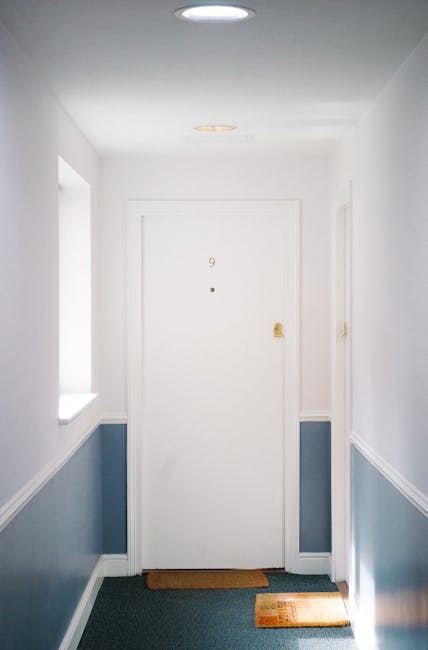
Pinner Road Flats Carpet Cleaning Guide and Tips
If you live in a flat on Pinner Road, carpet care can feel slightly more complicated than it should. There are stairs, shared hallways, neighbours below you, limited drying space, and usually not enough time on a weekday to sort it all out properly. This Pinner Road flats carpet cleaning guide and tips article is here to make the whole job simpler, safer, and far less stressful.
Whether you are tackling everyday dirt, a spill that happened five minutes before guests arrived, or a deeper clean that has been put off for far too long, the right approach matters. Flat living asks a bit more of you. Truth be told, a rushed method can leave carpets damp for too long, trigger odours, or make a stain spread instead of vanish. Let's avoid that. Below you will find a practical, human guide to what works, what to skip, and how to get a cleaner result without making life harder.
Table of Contents
- Why this matters in Pinner Road flats
- How flat carpet cleaning works
- Key benefits and practical advantages
- Who this guide is for
- Step-by-step guidance
- Expert tips for better results
- Common mistakes to avoid
- Tools, resources and recommendations
- Law, compliance and best practice
- Options and method comparison
- Case study or real-world example
- Practical checklist
- Conclusion
- Frequently asked questions
Why Pinner Road flats carpet cleaning guide and tips Matters
Flat carpets work hard. They take the brunt of daily footfall, dragged-in grit, pet hair, cooking odours, condensation from winter windows, and the general wear that comes with compact living. In a house, you may have more room to spread out and dry things. In a flat, you usually do not. That changes the whole cleaning game.
On Pinner Road, flats can sit close to busy roads and local foot traffic, which often means more fine dust enters through shoes and open windows. You may not notice it day to day, but carpets do. Over time, that grit acts like sandpaper and makes fibres look tired well before they should. A good routine keeps carpets looking brighter and can also help the flat feel fresher the minute you step through the door.
There is also a practical side. Damp carpet in a smaller property can linger longer because airflow is limited. If you clean without planning for ventilation, you may end up with that musty, slightly sour smell that nobody wants. Not ideal at all.
So this is not just about appearance. It is about hygiene, comfort, and protecting the carpet itself. If you also have curtains or upholstered furniture absorbing odours, you may want to pair carpet care with curtain cleaning or upholstery cleaning for a more complete refresh.
Expert summary: In flats, carpet cleaning is as much about moisture control and drying as it is about stain removal. The best results come from a calm, methodical approach rather than brute force.
How Pinner Road flats carpet cleaning guide and tips Works
At its core, carpet cleaning removes loose soil, oils, stains, and trapped debris from the pile and backing. In flats, the method you choose needs to suit the layout, the carpet type, and how much drying space you have. A light tidy-up is one thing; a deep clean is another.
Most cleaning approaches fall into a few broad categories:
- Vacuuming and spot care for routine maintenance and small spills.
- Hot water extraction, often called steam cleaning in everyday language, for deeper soil removal.
- Low-moisture cleaning for quicker drying where access or airflow is limited.
- Specialist stain treatment for marks that need targeted attention before the main clean.
In a flat, the process should usually begin with dry soil removal. If you skip that part, you can turn dust into a muddy paste the second moisture goes in. That is one of those annoying little realities people only learn once. Then comes pre-treatment, careful cleaning, and a drying phase that matters just as much as the wash itself.
For deep cleaning, many residents prefer a professional carpet cleaning service, while others choose steam carpet cleaning when they want a more intensive refresh. Either way, the basics stay the same: protect the carpet, use the right amount of moisture, and let it dry properly.
Key Benefits and Practical Advantages
A well-cleaned carpet in a flat does more than look neat. It changes how the whole home feels. You notice it when you walk in after work and the room smells cleaner. You notice it when your socks do not pick up that slightly dusty feel. Small things, but they matter.
- Better air feel in the flat because dust and trapped debris are reduced.
- Improved appearance with brighter pile and fewer flattened traffic lanes.
- Reduced odours, especially useful in compact homes where smells linger.
- Longer carpet life because grit and oily residue are removed before they grind fibres down.
- Better guest impression, which is useful whether you are renting, owning, or just tired of looking at that one old mark by the sofa.
There is also a practical rental angle. If you live in a managed building or a rented flat, a clean carpet can help when inspections come round. You are not trying to impress anyone with perfection. You are simply making the home easier to live in and easier to maintain.
If a stain has already set or smells keep returning, specialist stain removal or pet stain odour removal may be the sensible next step rather than repeating the same DIY attempt and hoping for magic. Carpet fibres are sturdy, but they are not miracle workers.
Who This Is For and When It Makes Sense
This guide suits anyone in a flat on or around Pinner Road who wants their carpets cleaner without creating more work than necessary. It is especially useful if you live in a smaller property where every room serves multiple purposes. The living room is a lounge, a dining area, a workspace, and sometimes a laundry dry zone. That is normal flat life.
You will probably find this most useful if you are:
- a tenant preparing for a checkout or periodic inspection
- a homeowner trying to keep a tidy, comfortable flat
- a landlord looking after a property between occupiers
- a pet owner dealing with hair, odours, or the occasional accident
- someone with allergies or dust sensitivity
- a busy resident who wants a clear, realistic cleaning plan
It also makes sense when you can see traffic lanes, dull patches, or stale smells that vacuuming alone no longer fixes. If your carpet still looks flat after vacuuming, that is often a sign the pile needs deeper attention, not just another hurried pass with the machine.
For larger or heavily used communal areas, some residents or property managers may also look at commercial carpet cleaning principles, especially where shared spaces see a lot of foot traffic. Different setting, similar logic: protect the fibres and dry them properly.
Step-by-Step Guidance
Here is a practical way to approach carpet cleaning in a flat without making a mess of it. It is simple, but the order matters a lot.
1. Clear the room first
Move small furniture, shoes, cords, baskets, and anything else sitting on the carpet. If something is too heavy to move safely, lift it onto protective tabs or work around it carefully. Do not drag anything sharp across the fibres. That kind of thing leaves a mark for months.
2. Vacuum thoroughly
Go slowly. Then go slowly again. In flats, dust often collects along skirting boards, in corners, and under radiators or furniture edges. A good vacuuming pass removes dry soil before any moisture is used. If you have pets, vacuum in multiple directions to lift hair trapped deep in the pile.
3. Pre-treat problem spots
Use a suitable stain treatment before the full clean. Blot, do not rub. Rubbing pushes the spill deeper and can fray fibres. If a stain is old or unusual, take care. Red wine, coffee, ink, makeup, and pet accidents each behave differently. One-size-fits-all is rarely the answer here.
4. Test a small hidden area
Always test your product or method on a discreet patch first. That is especially important in flats where carpets may be older, sun-faded, or made from mixed fibres. A hidden corner can save you from a very visible disappointment.
5. Clean section by section
Work in manageable areas rather than soaking the whole room at once. This helps you stay in control of moisture and prevents overwetting. In smaller homes, a section-by-section approach is usually the calmest way to do it.
6. Rinse or extract properly
If your method requires extraction, remove as much cleaning solution as possible. Leftover detergent can attract dirt later, which makes carpets resoil more quickly. That is one of those sneaky problems people blame on the carpet, when actually it is the residue.
7. Dry with purpose
Open windows if weather and security allow, switch on fans, and keep the room well aired. In a flat, drying is half the job. If the carpet feels damp hours later, keep airflow going until it is properly dry. Avoid replacing heavy furniture too soon.
8. Finish with a light vacuum once dry
Once the pile is fully dry, a final vacuum can lift fibres and improve the finish. It sounds minor, but it can make the carpet look much tidier. A small final step. Big difference.
Expert Tips for Better Results
Here is where the details matter. A few thoughtful choices can make a big difference in a flat, especially where space and airflow are limited.
- Clean at the right time of day. Morning or early afternoon is often best so the carpet has the longest possible drying window.
- Do not over-wet the pile. More liquid does not equal more clean. Usually it just means more drying time and more risk.
- Use white cloths for spot work. Coloured cloths can transfer dye. Not common, but not impossible either.
- Work from the outside of a stain inward. This helps stop the mark spreading.
- Keep shoes off the carpet after cleaning. Freshly cleaned fibres pick up soil more easily while slightly damp.
- Let air move across the room. Even a modest breeze helps. A still room in a flat can hold moisture far longer than expected.
Another point that people forget: check what is under the carpet if it is a loose rug or runner. Some flats have hard floors underneath, while others have older underlay that does not like excess moisture. If the item is moveable, rug cleaning advice can be more suitable than standard carpet methods.
And yes, if you are dealing with a big sofa corner and a carpet stain at the same time, you may as well look at sofa cleaning too. Once you start noticing dirt, it has a funny way of appearing everywhere. Slightly rude of it, really.
Common Mistakes to Avoid
Most carpet problems in flats come from a handful of avoidable errors. The good news? They are easy to dodge once you know what to watch for.
- Using too much water. This is the classic one. Wet carpets in flats can stay damp far too long.
- Scrubbing hard at stains. That often spreads the mark and damages the pile.
- Skipping vacuuming before wet cleaning. You just end up mixing dirt around.
- Using the wrong product. Some cleaners are too harsh for delicate fibres or dyed carpet.
- Putting furniture back too early. This can leave rust marks, dents, or transfer stains.
- Ignoring the smell after cleaning. A lingering smell often means the carpet is not fully dry or residue is still present.
A subtle mistake people make in flats is closing all windows because they are worried about dust or noise. Understandable, but it slows drying. A short, well-timed airing is usually better than keeping everything sealed up.
If the carpet has a stubborn mark and you are tempted to keep "having another go", stop for a minute. Repeated cleaning without a plan can make things worse. Sometimes a targeted stain removal approach is more sensible than full-scale overcleaning.
Tools, Resources and Recommendations
You do not need a cupboard full of gadgets, but a few sensible tools make flat carpet cleaning much easier. Keep it practical, not fancy.
| Tool or product | Best use | Why it helps in flats |
|---|---|---|
| Upright or cylinder vacuum | Routine soil removal | Gets into corners, stairs, and edges without much fuss |
| Microfibre cloths | Spot treatment and blotting | Absorb spills without pushing them deeper |
| Carpet-safe pre-treatment | Stain loosening before cleaning | Improves results without heavy scrubbing |
| Fan or portable air mover | Drying support | Helpful where airflow is limited |
| Protective gloves | Handling cleaning solutions | Useful for safety and comfort |
| Small brush with soft bristles | Gentle agitation | Lifts light marks without rough treatment |
If you are using a hired or professional method, choose a cleaning approach that matches your carpet type and the time available for drying. A carefully done steam carpet cleaning service can be ideal for deeper soil, while low-moisture cleaning may suit tight schedules or homes that need a faster turnaround.
For services that need extra care around delicate fabrics or shared living spaces, it is also worth checking related information such as upholstery cleaning and mattress cleaning if you want the whole flat to feel fresh together. That kind of joined-up cleaning is often the most satisfying. Quietly satisfying, actually.
Law, Compliance, Standards, or Best Practice
For most residents, carpet cleaning is not a heavily regulated activity in itself. Still, there are sensible UK best practices worth following, especially in flats where safety and neighbour consideration matter.
First, always follow the product instructions on any cleaning chemical you use. That sounds obvious, but it matters. Many carpet cleaners are formulated for specific fibres or dilution levels, and guessing can lead to damage or poor results. If a product label is unclear, do not improvise wildly. Keep it simple.
Second, think about building safety and access. In shared properties, avoid blocking hallways, stairwells, or fire exits with equipment, hoses, or wet furniture. If you use electrical equipment, keep cables tidy and away from water. Basic, yes. But basic is often what prevents problems.
Third, if you are hiring a professional, it is reasonable to expect clear communication about insurance, safety, and what happens if something goes wrong. It is not being fussy. It is sensible. You can also review provider information on insurance and safety, health and safety, and terms and conditions before booking.
If price and payment clarity matter to you, which they usually do, it is worth checking pricing and quotes and payment and security information first. There is comfort in knowing what you are agreeing to. Simple as that.
Options, Methods, or Comparison Table
Different flats need different approaches. There is no single magic method, despite what some adverts try to suggest. Here is a plain-English comparison.
| Method | Best for | Pros | Watch out for |
|---|---|---|---|
| Vacuuming only | Routine upkeep | Fast, cheap, essential | Will not remove deep stains or embedded soil |
| DIY spot cleaning | Fresh spills and small marks | Quick response, low cost | Easy to overdo, can spread stains |
| Low-moisture cleaning | Flats with limited drying space | Faster drying, less disruption | May be less effective on heavy soiling |
| Hot water extraction | Deep cleaning and dull carpets | Strong soil removal, good refresh | Needs careful drying and correct technique |
| Specialist stain treatment | Specific problem areas | Targeted, effective, preserves surrounding carpet | Needs matching to stain type |
If you are unsure which route to take, start with the least aggressive method that still solves the problem. That is usually the smartest way in a flat. Heavy moisture is not your friend unless you know exactly how you will dry it.
Case Study or Real-World Example
Here is a simple real-world scenario. A resident in a compact Pinner Road flat notices a grey track running from the hallway to the sofa. Nothing dramatic, just the sort of wear that creeps in quietly over winter. The carpet still looks fine in the middle of the room, but the path by the entrance has flattened and a little darkened.
Instead of jumping straight into a full wet clean, the resident starts with a thorough vacuum, then treats the entrance area with a carpet-safe pre-treatment. The room is cleaned section by section in the late morning so there is enough time for drying. A fan is placed near the doorway, and the windows are opened for short periods to help airflow. The carpet is dry by evening, not perfect like-new, but noticeably fresher and more even.
The useful lesson? A smaller property rewards patience more than force. The goal was not dramatic heroics. It was control. That is usually where the best results come from. A tiny bit of planning goes a long way.
If the resident had ignored the drying stage, the hallway might have smelled damp by the next day, and the traffic lane could have reappeared more quickly because of leftover residue. The cleaning itself was only half the job.
Practical Checklist
Use this quick checklist before and after cleaning. It keeps the process calm and helps you avoid the usual slip-ups.
- Vacuum slowly and edge-to-edge
- Move small furniture and clear the room
- Test any cleaner in a hidden spot
- Blot spills, do not rub
- Use the least amount of moisture needed
- Ventilate the flat during and after cleaning
- Allow full drying before replacing furniture
- Check for residue or any lingering smell
- Do a final light vacuum once dry
- Book specialist help if the stain stays put or the carpet looks tired everywhere, not just in one patch
Key takeaway: In flats, the winning formula is simple: remove dry soil first, clean gently, and dry thoroughly. That combination solves most problems and prevents many of the annoying ones.
Conclusion
Carpet cleaning in a flat on Pinner Road does not need to be complicated, but it does need to be thoughtful. Space is tighter, drying is trickier, and everyday life does not stop just because the carpet needs attention. With the right method, though, you can keep carpets looking smarter for longer and make the whole home feel fresher.
The main thing is to work with the space you have. Use the correct amount of moisture, take your time with stain treatment, and give drying the respect it deserves. That is where the difference lies. Not in fancy shortcuts. Not in harsh scrubbing. Just sensible, steady care.
If you want help with a deeper clean or a more stubborn problem, it is worth comparing options carefully and choosing the approach that suits your flat rather than forcing a one-size-fits-all fix.
Get a free quote today and see how much you can save.
And if you have been putting it off, that is fine. Most people do. Start with one room, one stain, one afternoon. Sometimes that is all it takes to get the flat feeling like home again.
Frequently Asked Questions
How often should carpets in a Pinner Road flat be cleaned?
It depends on foot traffic, pets, and whether anyone in the flat has allergies or dust sensitivity. A regular vacuum is the baseline, and deeper cleaning is usually sensible when carpets start to look dull, smell stale, or hold marks that do not lift with routine care.
Is steam cleaning safe for flat carpets?
Usually yes, provided the carpet type is suitable and drying is handled properly. The real issue in flats is often not the cleaning method itself but whether there is enough airflow afterwards. Good extraction and ventilation matter a lot.
What is the best way to dry carpets in a flat?
Open windows where possible, use fans, and avoid heavy foot traffic until the carpet is fully dry. If the weather is damp, use indoor airflow instead of relying on outside conditions alone. Drying is often the slow part, so patience helps.
Can I clean carpet stains myself before calling a professional?
Yes, especially if the spill is fresh. Blot gently, use a suitable carpet-safe product, and avoid scrubbing. If the stain has set, spreads, or changes colour, stop and reassess. Repeated DIY attempts can sometimes make things worse.
Why do carpets in flats seem to get dirty faster?
Smaller homes tend to concentrate daily wear in fewer areas, especially hallways and living rooms. Shoes, cooking, pets, and limited storage all play a part. It is not your imagination; traffic patterns show up quicker in compact spaces.
Do I need to move furniture before carpet cleaning?
Where it is safe to do so, yes. Moving smaller items helps you clean properly and avoid awkward missed patches. Heavy furniture can often stay in place if handled carefully, but you should protect both the carpet and the furniture feet.
Will carpet cleaning remove pet smells?
It often helps a great deal, but strong pet odours may need targeted treatment. If there has been an accident, odour can sink below the surface. In that case, specialist pet stain odour removal may be the more effective route.
What should I avoid after carpet cleaning?
Avoid walking on the carpet with outdoor shoes, putting furniture back too soon, or trapping the room with no airflow. Also try not to overclean the same area again immediately. Let the carpet settle. It usually needs a quiet spell after a proper clean.
How can I tell if the carpet needs deep cleaning rather than a normal vacuum?
If the carpet stays dull after vacuuming, feels slightly sticky, has recurring smells, or shows worn traffic lanes, that is a strong sign it needs deeper treatment. A vacuum can only do so much. Sometimes the fibres are crying out for a reset.
Are professional carpet cleaners worth it for flats?
Often yes, especially if you have limited drying space, stubborn stains, pets, or a rental deadline. A professional clean can be more efficient and less risky than trying multiple DIY products. It is especially useful when you want a proper result without a weekend disappearing into cleaning.
What if my flat carpet is very old or delicate?
Be cautious. Older carpets can be more sensitive to moisture and cleaning chemicals, particularly if the pile is worn or the backing is fragile. Test a hidden area first, and if in doubt, choose a gentler method or ask for advice before proceeding.
Can carpet cleaning help with allergies?
It may help reduce dust, pollen, and trapped debris, which can improve the feel of the room. It is not a medical treatment, of course, but a cleaner carpet often means less stuff sitting in the fibres. That alone can make a flat feel much easier to live in.
For a fresher flat and less stress on cleaning day, choose the method that suits your space, dry it properly, and do the small things well.